
Top 5 Food Safety Risks and How to Mitigate Them with Expert Support


Understanding Food Safety Risks
Food safety is a critical concern for both consumers and businesses in the food industry. With the increasing complexity of food supply chains, understanding and mitigating food safety risks is more important than ever. Here, we explore the top five food safety risks and provide guidance on how to address them effectively with expert support.
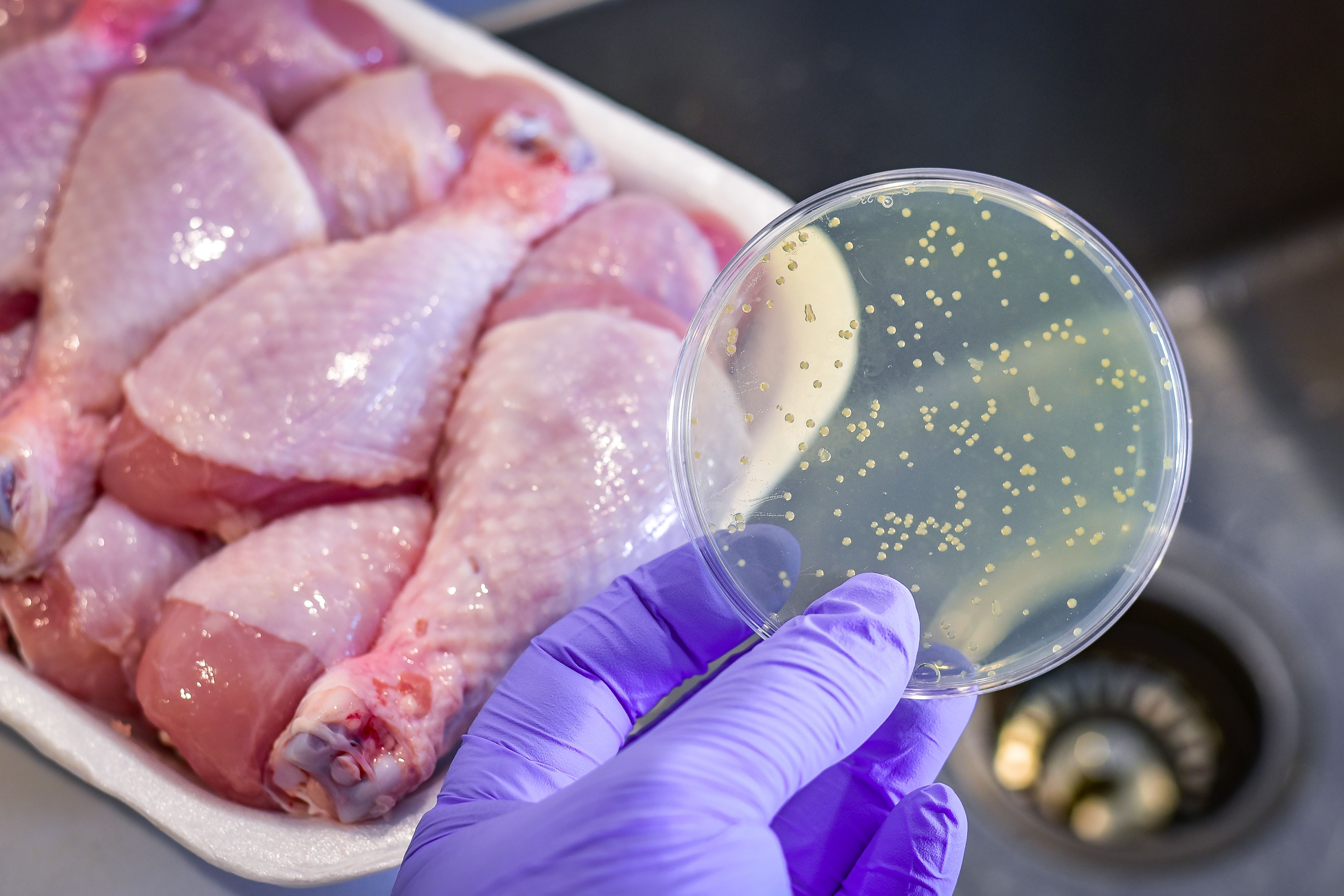
1. Contamination by Pathogens
Pathogenic contamination is one of the most significant risks in food safety. Bacteria like Salmonella, E. coli, and Listeria can cause serious health issues. These pathogens can be present in raw ingredients, surfaces, and even in the air.
To mitigate this risk, it's essential to implement stringent hygiene practices. Regular cleaning and sanitation protocols, along with proper cooking and storage temperatures, can greatly reduce the risk of contamination. Expert support can help establish and maintain these protocols effectively.
2. Cross-Contamination
Cross-contamination occurs when harmful bacteria or allergens are transferred from one surface or food item to another. This is a common risk in kitchens where raw and cooked foods are handled simultaneously.
To prevent cross-contamination, use separate cutting boards and utensils for different types of food. Implementing color-coded systems and training staff on proper handling techniques are effective strategies. Engaging with food safety experts can provide tailored solutions to ensure compliance and safety.

3. Chemical Hazards
Chemical hazards in food can arise from pesticides, food additives, and cleaning agents. These substances can be harmful if ingested in large quantities.
Mitigating chemical hazards involves careful selection of suppliers and regular testing of food products for chemical residues. Experts can assist in setting up monitoring systems and providing guidance on safe levels and regulations.
4. Allergen Management
Food allergies are a growing concern, and mismanagement can lead to severe allergic reactions. Common allergens include nuts, dairy, and shellfish.
To manage allergens, it is crucial to have clear labeling and communication practices. Proper training for staff on handling and preparing allergen-free meals is essential. Experts can help in developing robust allergen management plans.

5. Supply Chain Vulnerabilities
The complexity of modern supply chains can introduce various risks, including contamination and adulteration. Ensuring the integrity of the supply chain is vital for food safety.
Implementing traceability systems and conducting regular audits can help identify and address vulnerabilities. Collaborating with experts can enhance supply chain transparency and reliability.
The Role of Expert Support in Food Safety
Expert support plays a crucial role in mitigating food safety risks. Professionals can offer customized solutions and keep businesses updated with the latest regulations and best practices. Leveraging their expertise ensures a proactive approach to food safety, protecting both consumers and business reputations.
In conclusion, understanding and addressing these top five food safety risks is essential for maintaining public health and confidence in the food industry. By engaging with experts, businesses can create safer environments and uphold the highest standards of food safety.