
The Ultimate Guide to SQF Certification: What Food Businesses Need to Know


In today's competitive food industry, ensuring food safety and quality is paramount. One way businesses can demonstrate their commitment to these standards is through SQF (Safe Quality Food) certification. This globally recognized certification can help businesses meet regulatory requirements and gain consumer trust.
What is SQF Certification?
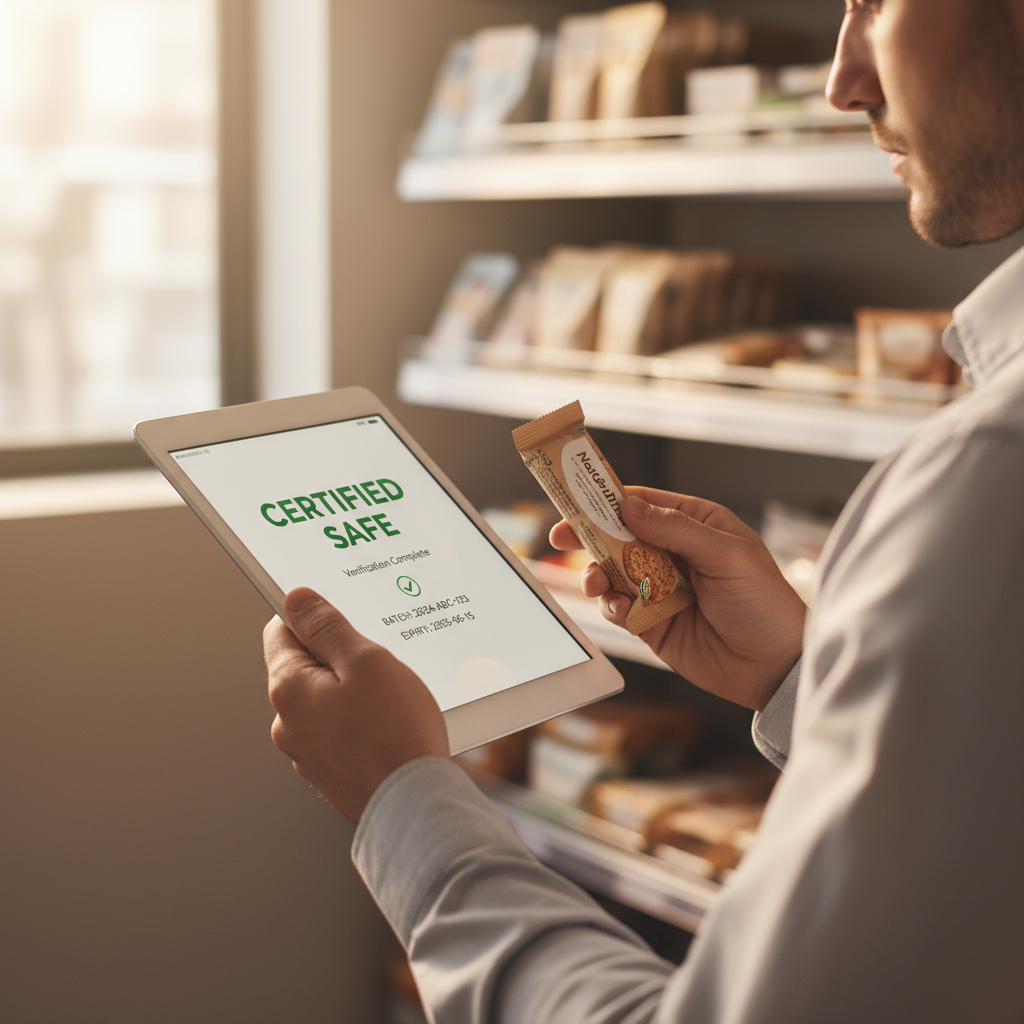
SQF Certification is a comprehensive food safety and quality management system that provides organizations with a rigorous method of managing food safety risks. It’s recognized by the Global Food Safety Initiative (GFSI) and is designed for all sectors of the food industry, from primary production to manufacturing, distribution, and retail.
Benefits of SQF Certification
Achieving SQF Certification offers several advantages for food businesses:
- Improved Food Safety: Implementing SQF standards helps prevent food safety hazards, ensuring safer products.
- Market Access: Many retailers and buyers prefer or require suppliers to have SQF Certification.
- Consumer Trust: Displaying the SQF logo can enhance consumer confidence in your products.

The SQF Certification Process
Understanding the steps involved in obtaining SQF Certification is crucial for businesses aiming to achieve it. The process typically involves:
1. Understanding the Requirements
Begin by familiarizing yourself with the SQF Code relevant to your industry. The code outlines the specific requirements and practices you need to implement.
2. Training and Implementation
Next, ensure your team is trained in SQF standards. Implement the necessary changes in your processes to comply with the guidelines.

3. Pre-Assessment and Audit
Conduct a pre-assessment to identify any gaps. Once ready, schedule an audit with a licensed SQF certification body. The audit will verify your compliance with SQF standards.
Maintaining SQF Certification
Achieving certification is not the end of the journey. Ongoing compliance and continuous improvement are essential. Regular audits and updates to your processes will help maintain your certification status.
By committing to SQF Certification, food businesses not only ensure compliance with international standards but also strengthen their market position and build stronger consumer relationships. It is a strategic investment in quality and trust that pays dividends in the long run.