
The Importance of Food Safety Audits for Restaurants


Ensuring Customer Safety and Satisfaction
In the restaurant industry, customer safety and satisfaction are paramount. A critical component of achieving both is adhering to strict food safety standards. Food safety audits play a crucial role in safeguarding the health of customers and maintaining the reputation of a restaurant. These audits help identify potential hazards and ensure compliance with regulations.
Understanding Food Safety Audits
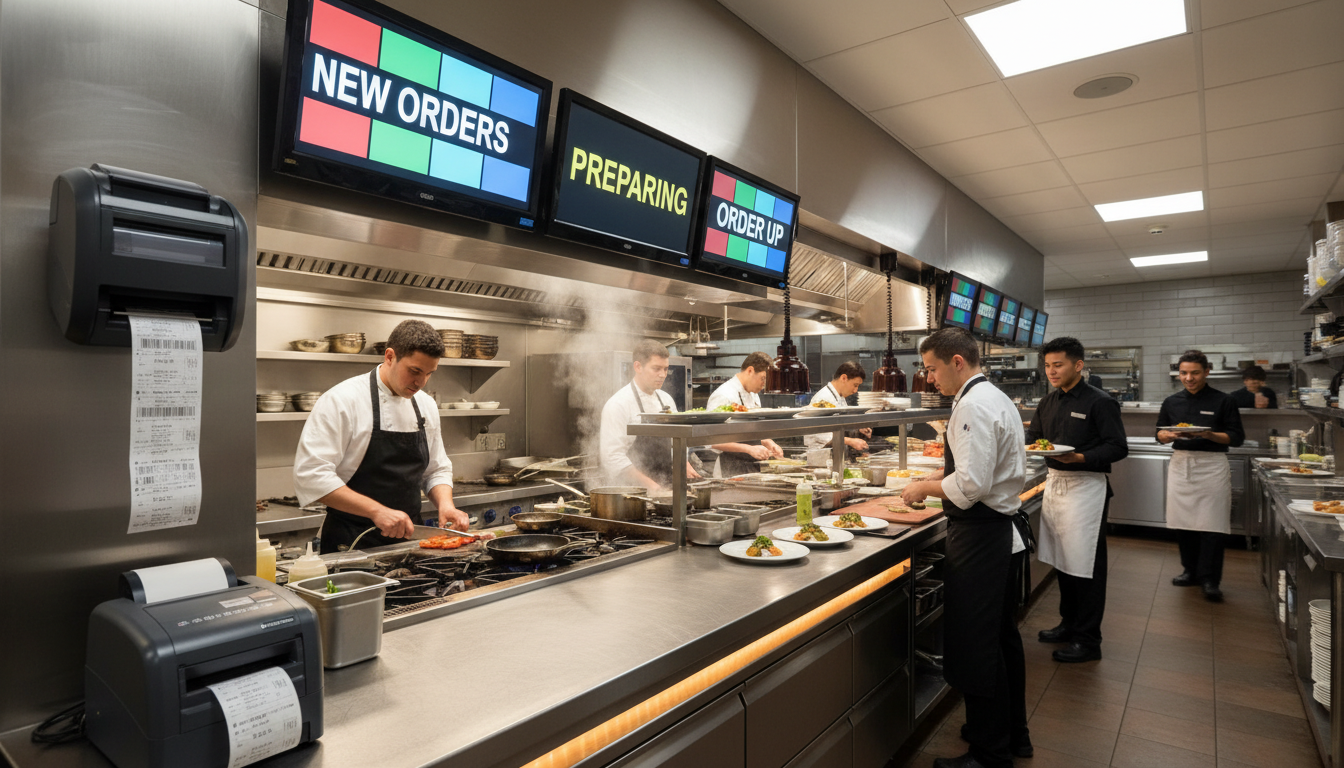
Food safety audits are systematic examinations of a restaurant’s food handling, preparation, and storage processes. They assess whether these processes meet established safety standards. Audits can be conducted internally by trained staff or externally by certified auditors. Regular audits are essential for maintaining high standards and preventing foodborne illnesses.
Benefits of Regular Audits
Conducting regular food safety audits has numerous benefits for restaurants:
- Improved Compliance: Audits help ensure that all food safety regulations are being followed, reducing the risk of legal issues.
- Enhanced Customer Trust: Customers are more likely to trust and return to restaurants that prioritize food safety.
- Identification of Weaknesses: Audits reveal areas that need improvement, helping restaurants address potential issues before they become problems.
Key Areas of Focus During Audits
Effective food safety audits cover several critical areas:
- Food Storage: Ensuring proper storage temperatures and conditions to prevent contamination.
- Sanitation Practices: Evaluating cleanliness of kitchen equipment and surfaces.
- Employee Hygiene: Verifying that staff follow personal hygiene protocols.
The Role of Technology in Food Safety
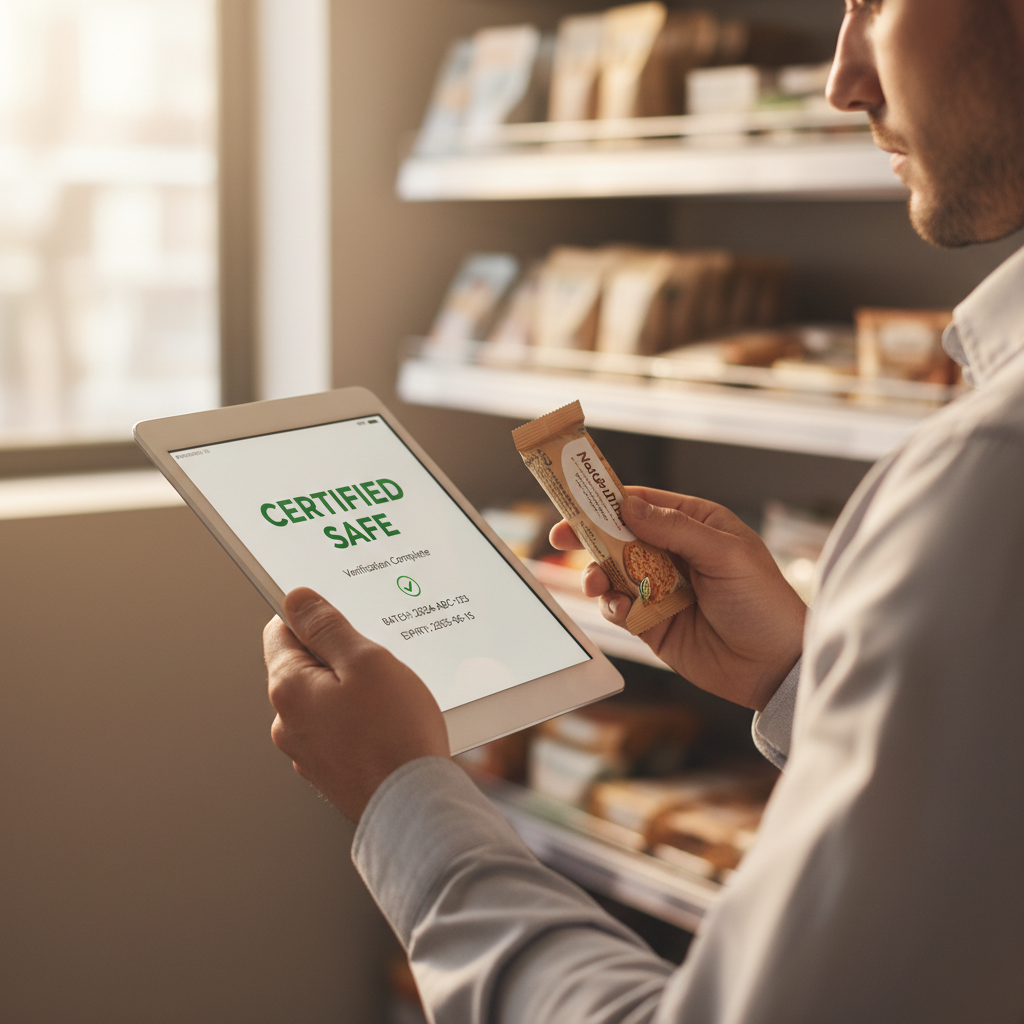
Advancements in technology have revolutionized food safety audits. Digital tools and software can streamline the audit process, making it easier to track compliance and manage documentation. These tools allow for real-time monitoring and reporting, which enhances a restaurant's ability to maintain safety standards.

Training and Education
Regular training and education for restaurant staff are vital components of food safety. Employees must be well-versed in safety protocols and understand the importance of their roles in maintaining a safe environment. Workshops and certification programs can enhance their knowledge and skills, ensuring they are prepared to meet food safety standards.
Conclusion: A Commitment to Safety
In conclusion, food safety audits are indispensable for restaurants aiming to maintain high standards of safety and quality. By committing to regular audits, investing in technology, and prioritizing staff training, restaurants can safeguard their customers' health and enhance their reputation. Ultimately, these efforts lead to greater customer satisfaction and business success.