
Navigating FDA and USDA Regulatory Compliance for Food Businesses


Understanding FDA and USDA Roles
For food businesses in the United States, navigating regulatory compliance is crucial. The Food and Drug Administration (FDA) and the United States Department of Agriculture (USDA) are the two primary agencies that oversee food safety and labeling. Understanding the roles and responsibilities of each can help businesses ensure they meet all necessary requirements.
The FDA is responsible for regulating the majority of the food supply, including processed foods, dietary supplements, and bottled water. The USDA, on the other hand, oversees meat, poultry, and egg products. Knowing which agency governs your product is the first step in compliance.

Key Regulations and Requirements
Each agency has its own set of regulations. For the FDA, businesses must comply with the Food Safety Modernization Act (FSMA), which focuses on preventing contamination. Key requirements include hazard analysis and risk-based preventive controls.
The USDA requires adherence to the Federal Meat Inspection Act and the Poultry Products Inspection Act. These laws ensure that meat and poultry products are safe and correctly labeled. Businesses must have their facilities inspected and products approved by USDA inspectors.
Labeling and Packaging
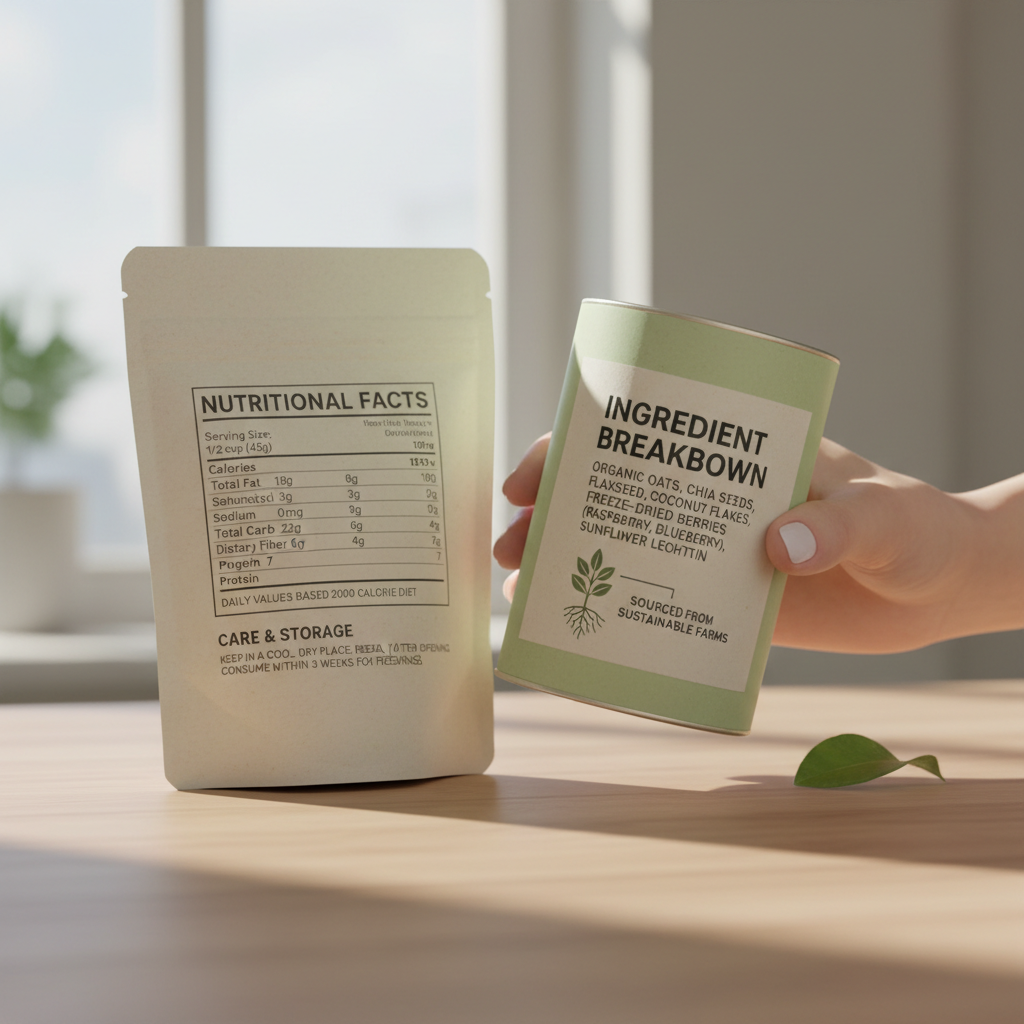
Both agencies have stringent labeling requirements. The FDA mandates that food labels include nutritional information, ingredients, and any potential allergens. The USDA requires labels to have safe handling instructions and an establishment number.
Steps to Achieve Compliance
Achieving regulatory compliance involves several steps. First, identify which agency regulates your product. Then, familiarize yourself with the specific regulations that apply. It's essential to create processes that adhere to these regulations, such as implementing a Hazard Analysis Critical Control Point (HACCP) plan.
- Conduct a hazard analysis
- Identify critical control points
- Establish critical limits
- Develop monitoring procedures
- Implement corrective actions

Training and Education
Training employees on regulatory requirements is crucial. Both the FDA and USDA offer resources and guidance to help businesses understand and meet compliance standards. Regular training ensures that all staff members are aware of the latest regulations and best practices.
Investing in education not only helps with compliance but also enhances the overall quality and safety of the products. Consider engaging with industry experts or consultants for specialized training sessions.
Keeping Up with Changes
Regulations are subject to change, and staying informed is vital. Subscribe to updates from the FDA and USDA, and participate in industry forums and workshops. This proactive approach will help you anticipate and adapt to regulatory changes swiftly.

In conclusion, navigating FDA and USDA regulatory compliance requires a thorough understanding of agency roles, specific regulations, and proactive measures to ensure adherence. By focusing on compliance, food businesses can ensure their products are safe, legal, and ready for the market.