
How to Develop a HACCP Plan: Step-by-Step Tutorial for Food Safety


Ensuring food safety is a critical responsibility for any food business. One of the most effective ways to manage food safety hazards is by developing a Hazard Analysis and Critical Control Point (HACCP) plan. This systematic approach helps identify, evaluate, and control potential hazards in food production. Below is a step-by-step guide to help you create a robust HACCP plan.
Understanding HACCP
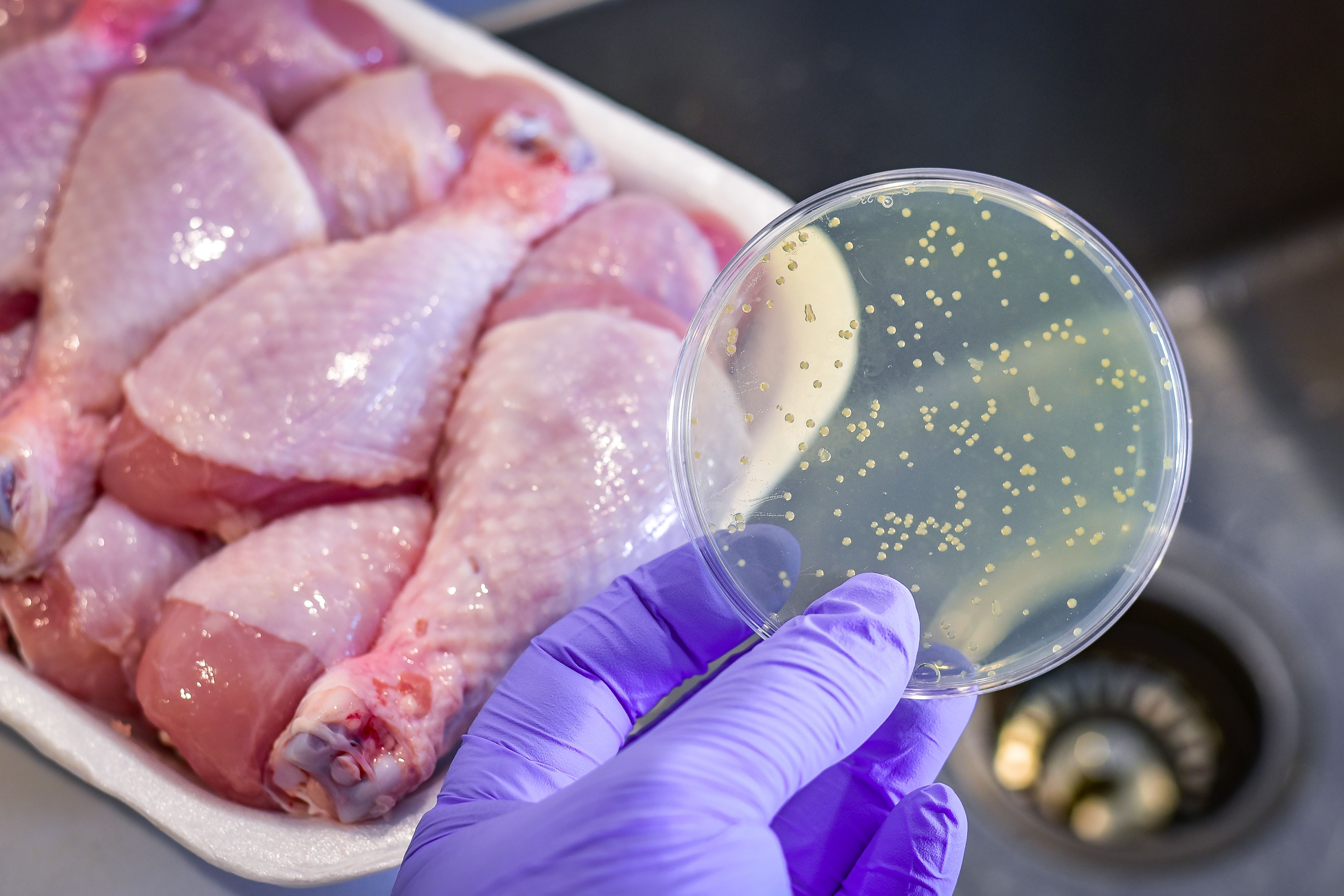
HACCP is a preventive approach to food safety that addresses physical, chemical, and biological hazards before they occur. By focusing on prevention, it minimizes the risks of foodborne illnesses. HACCP is applicable to all stages of food production, from raw material procurement to final consumption.
Before developing a HACCP plan, it's essential to understand the specific needs of your operation and the types of food safety hazards you may encounter. This understanding will guide your plan's structure and implementation.
Assemble Your HACCP Team
The first step in developing a HACCP plan is to assemble a knowledgeable team. This team should include individuals with expertise in different areas of your operation, such as production, sanitation, quality control, and engineering. Their combined knowledge will be crucial in identifying potential hazards and control measures.
Once your team is in place, schedule regular meetings to discuss the progress and updates of the HACCP plan. It's important to ensure that everyone is on the same page and understands their roles and responsibilities.
Conduct a Hazard Analysis
Conducting a hazard analysis involves identifying potential hazards that could affect food safety. This process includes evaluating the ingredients, processes, equipment, and even the environment where food is prepared. The goal is to pinpoint where hazards might occur and determine their severity and likelihood.
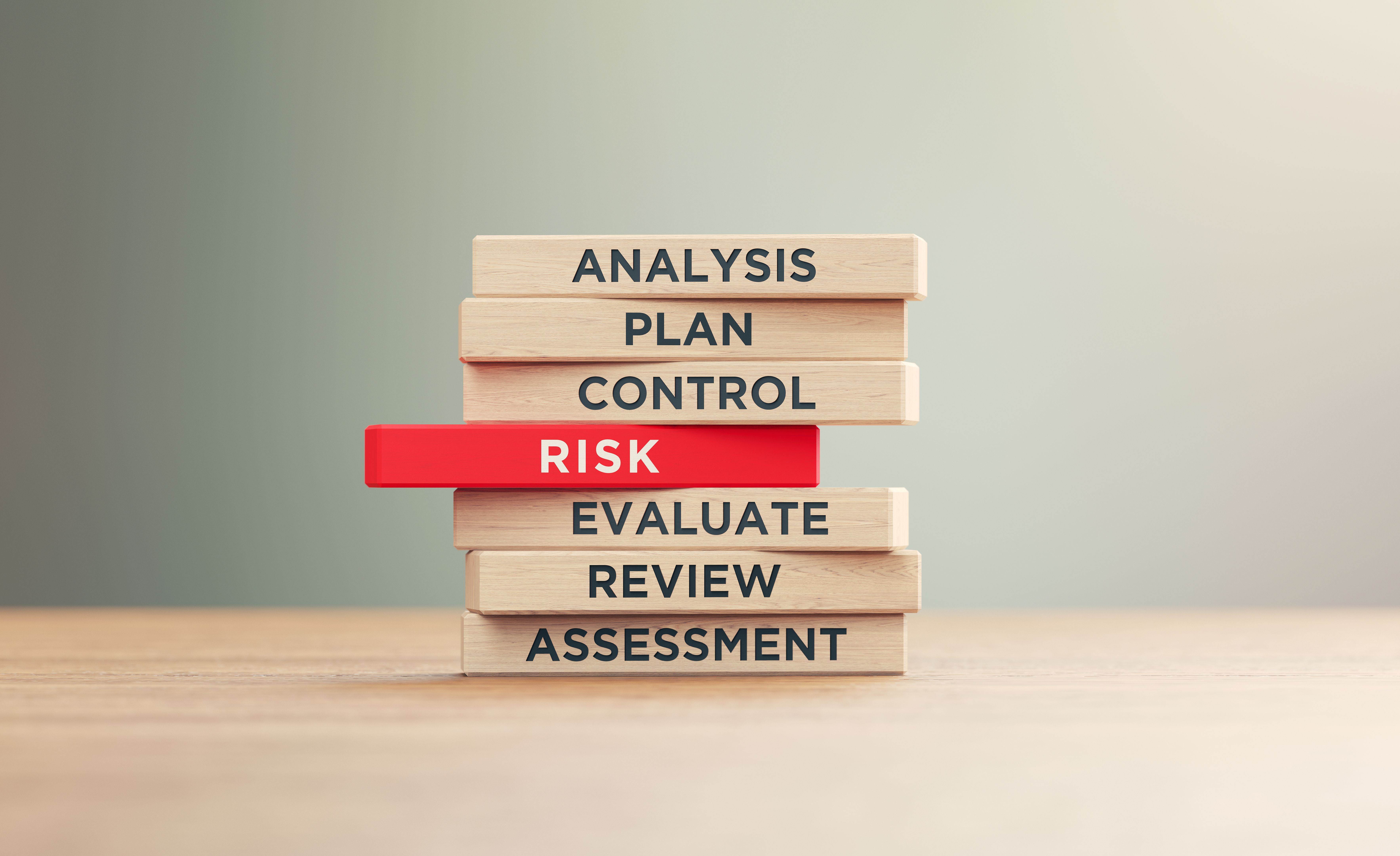
During this stage, it's helpful to create a flow diagram of your production process. This visual representation can assist in identifying critical points where hazards could arise. Be thorough in your analysis to ensure that all potential risks are considered.
Determine Critical Control Points (CCPs)
Critical Control Points are stages in the food production process where control can be applied to prevent, eliminate, or reduce hazards to acceptable levels. Identifying CCPs is crucial, as they represent the points where failure to control could result in a safety risk.
- Identify CCPs by analyzing each step of your process.
- Consider the severity and likelihood of hazards at each step.
- Ensure that each CCP is controllable and measurable.
Establish Critical Limits
For each CCP, establish critical limits, which are the maximum or minimum values to which a biological, chemical, or physical parameter must be controlled. These limits ensure that the CCP effectively prevents food safety hazards. Critical limits could include temperature, time, pH, or other measurable factors.

It's important to validate these limits through scientific research or regulatory standards to confirm their effectiveness. Regularly review and update them as necessary to accommodate changes in regulations or industry practices.
Implement Monitoring Procedures
Monitoring procedures are essential for ensuring that each CCP remains within its critical limits. These procedures involve establishing a plan for consistently checking and recording data related to each CCP. Monitoring can be continuous or periodic, depending on the nature of the CCP.
- Define who will perform the monitoring and when it will occur.
- Ensure that monitoring equipment is calibrated and maintained.
- Record all monitoring activities for verification purposes.
Establish Corrective Actions
If monitoring indicates a deviation from the critical limits, corrective actions must be in place to prevent unsafe products from reaching consumers. These actions should be predefined and include steps to address the cause of the deviation and prevent its recurrence.
Corrective actions might involve adjusting the process, retraining staff, or discarding affected products. Document all actions taken to demonstrate compliance and accountability.

By following these steps, you can develop a comprehensive HACCP plan that enhances food safety and protects your consumers. Regular review and updating of the plan are essential to adapt to new hazards and regulatory changes. This proactive approach not only ensures compliance but also builds consumer trust in your commitment to safety.