Essential Food Quality Control Measures for Safe Manufacturing


Understanding Food Quality Control
Food quality control is a critical component in the manufacturing process, ensuring that products meet safety and quality standards. This not only protects consumers but also enhances brand reputation and compliance with regulations. Implementing robust quality control measures can help manufacturers identify potential issues before they escalate.
Quality control encompasses a range of processes and procedures designed to check the consistency and safety of food products. It involves routine inspections, testing, and verification to maintain high standards throughout the production lifecycle.
Implementing Effective Monitoring Systems
Monitoring systems are fundamental in maintaining food safety and quality. These systems track various parameters, such as temperature, humidity, and contamination levels. Advanced technologies like IoT sensors and automated software can provide real-time data, allowing manufacturers to react swiftly to any deviations.
Regular audits and inspections are also crucial. They help in identifying weaknesses in the production process and ensure compliance with industry standards. Regularly updated documentation supports transparency and traceability, which are vital for food safety.
Adopting Good Manufacturing Practices (GMP)
Good Manufacturing Practices are essential guidelines that outline the procedures and protocols to ensure product quality and safety. Adhering to GMP involves maintaining proper hygiene, ensuring staff are trained, and using high-quality raw materials.
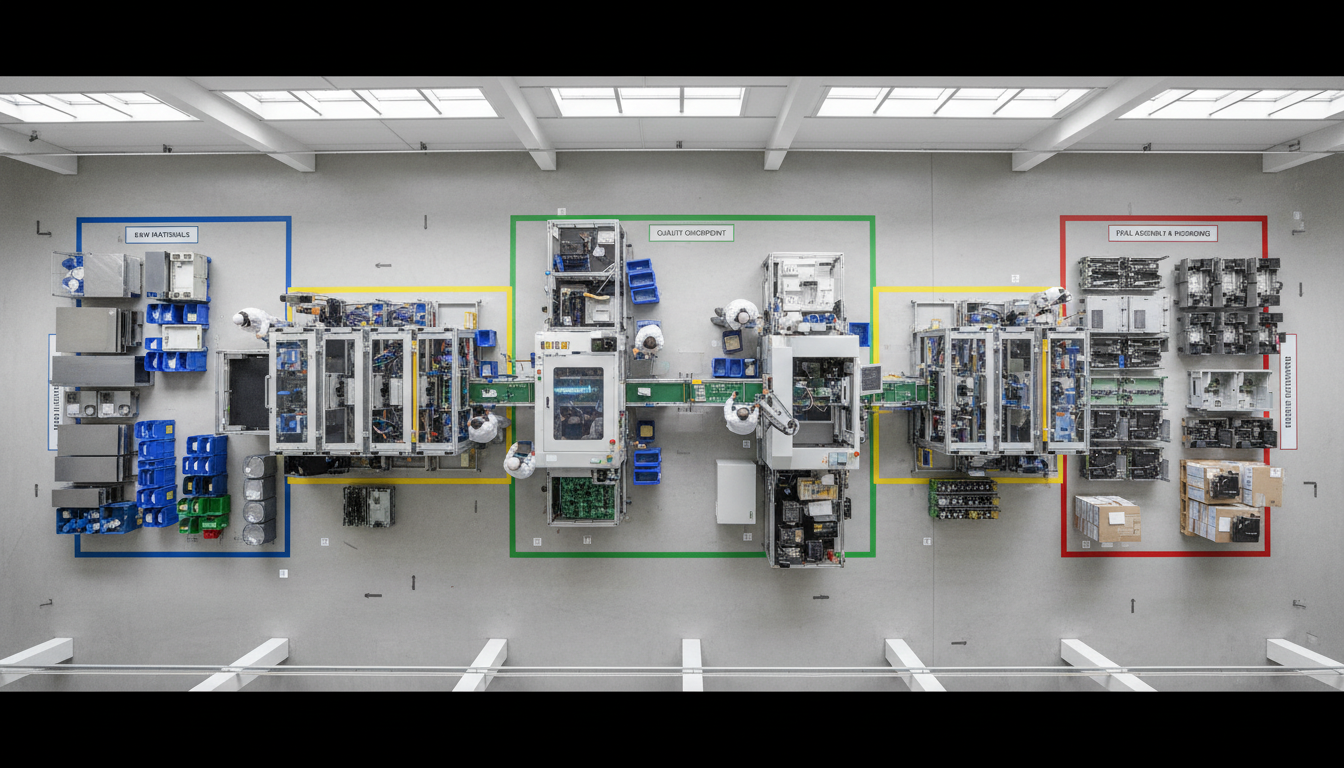
Implementing GMP also involves maintaining clean facilities and equipment. Regular cleaning schedules and maintenance help prevent contamination and ensure a safe production environment. Employee training in hygiene practices further supports these efforts.
Quality Assurance and Testing
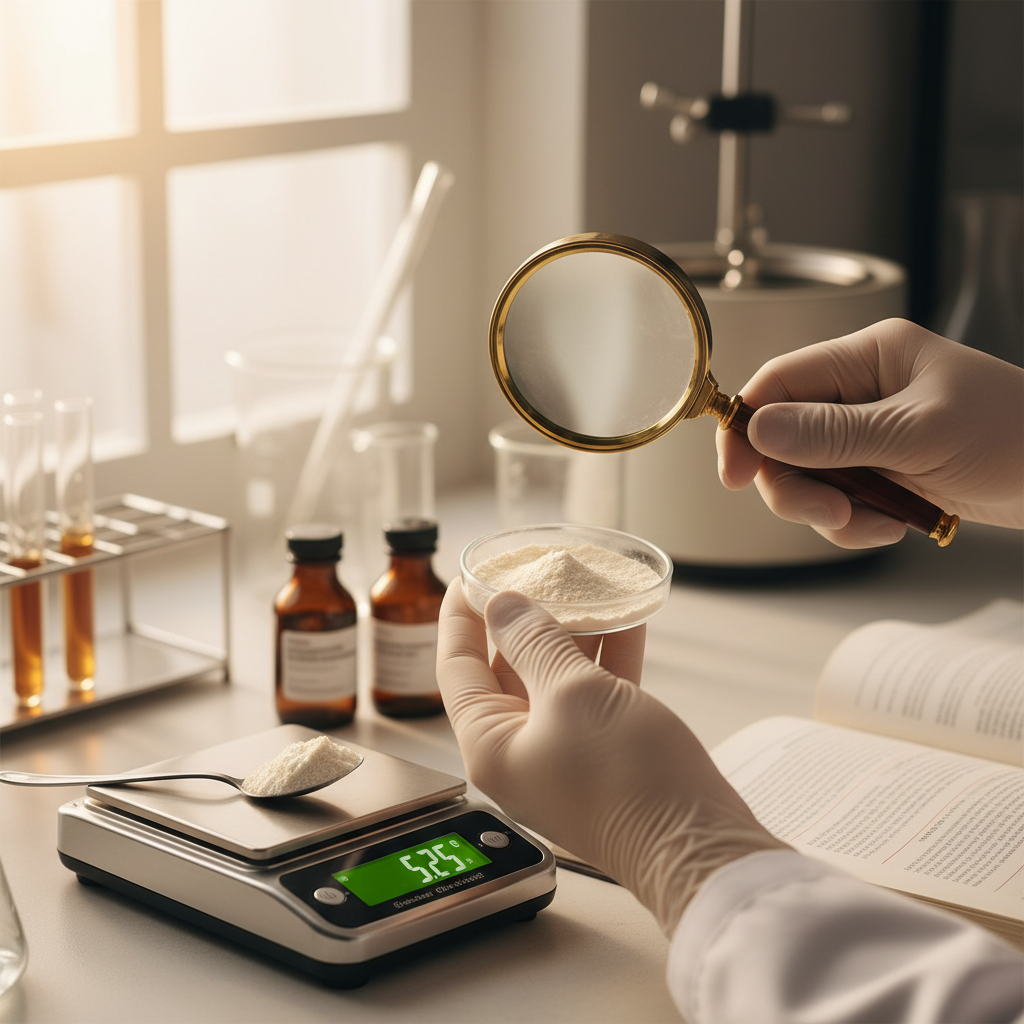
Quality assurance is an ongoing process that involves testing products at various stages of production. This includes microbiological tests, chemical analyses, and sensory evaluations to ensure the final product meets safety standards. Proper sampling techniques and laboratory testing are vital components of this process.
Rapid testing methods and modern analytical tools can detect contaminants and quality deviations quickly, reducing the risk of defective products reaching consumers. Investing in reliable testing equipment and skilled personnel is crucial for maintaining high standards.

Traceability and Record Keeping
Traceability is a key element of food safety, allowing manufacturers to track the movement of products through the supply chain. This process ensures that any issues can be quickly identified and rectified, minimizing risks and maintaining consumer trust.
Effective record-keeping supports traceability efforts by documenting every step of the manufacturing process. This includes sourcing, production, and distribution records, which are essential for audits and investigations in case of a recall.
Continuous Improvement and Training
Continuous improvement is vital in food quality control. Regularly reviewing and updating quality control measures ensures that manufacturing processes evolve with new technologies and regulatory requirements. Engaging in continuous improvement fosters a culture of safety and quality.
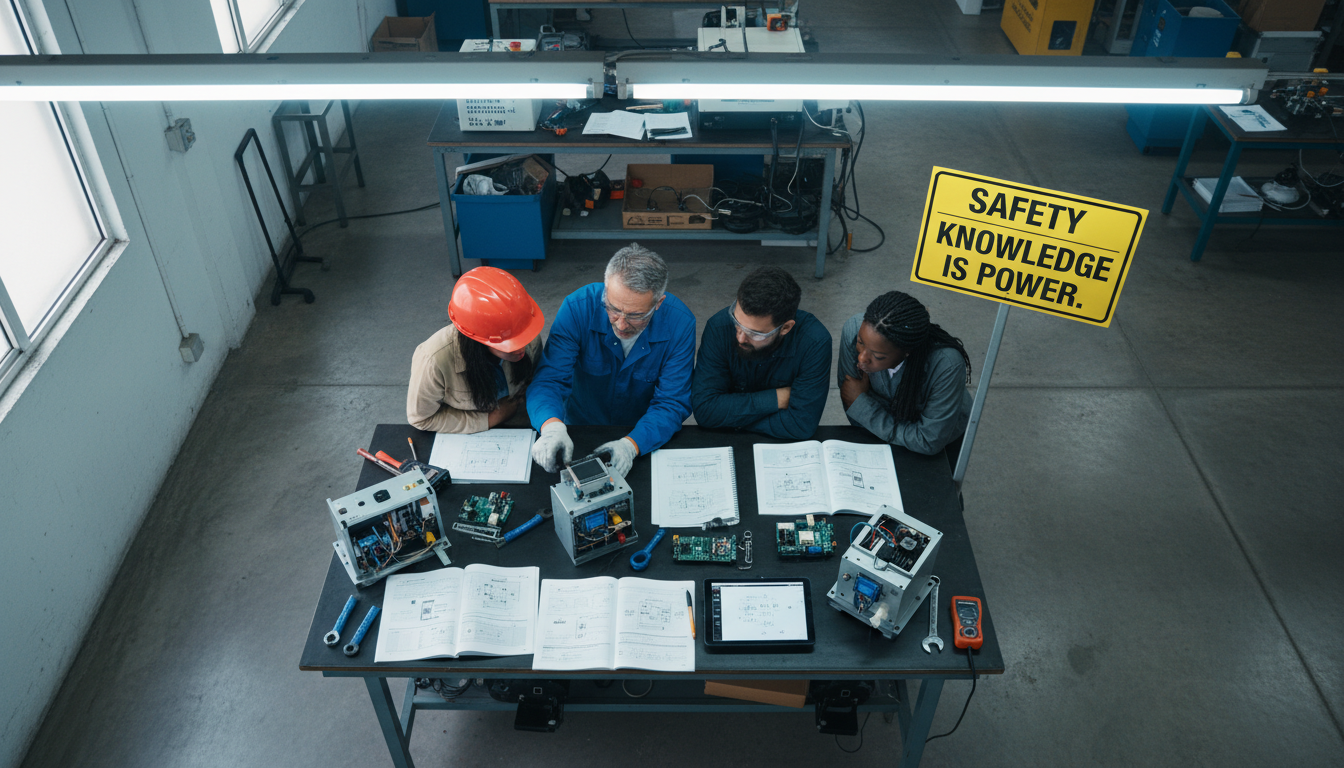
Employee training is also critical. Regular training sessions ensure that staff are aware of the latest safety protocols and quality standards. This not only improves product quality but also enhances overall operational efficiency.