
Debunking Common Food Safety Myths: What Every Business Should Know


Understanding the Importance of Food Safety
Food safety is a critical concern for businesses in the food industry. Misunderstandings can lead to practices that endanger both consumers and businesses. To ensure the safety and quality of food products, it's essential to separate fact from fiction.

Myth 1: If It Tastes and Smells Fine, It's Safe to Eat
A common misconception is that food is safe to consume as long as it tastes and smells fine. However, many harmful bacteria do not alter the taste, smell, or appearance of food. Pathogens like Salmonella and E. coli can be present in foods without any noticeable signs. It's crucial to adhere to proper food storage practices and expiration dates to avoid potential health risks.
Safe Food Storage Practices
To prevent foodborne illnesses, businesses should:
- Keep cold foods at or below 40°F (4°C).
- Store hot foods at or above 140°F (60°C).
- Regularly check and maintain refrigeration equipment.
Myth 2: Cross-Contamination Isn't a Big Deal
Some believe that cross-contamination is a minor issue, but it poses a serious threat to food safety. Even small amounts of bacteria transferred from raw to cooked foods can cause illness. Businesses should implement strict hygiene protocols to prevent this from happening.

Preventing Cross-Contamination
Here are some effective strategies:
- Use separate cutting boards for raw meats and other foods.
- Wash hands, utensils, and surfaces thoroughly after handling raw foods.
- Store raw meats below other foods in the fridge to prevent drips.
Myth 3: Organic Foods Are Always Safer
While organic foods are grown without synthetic pesticides and fertilizers, they are not inherently safer in terms of foodborne pathogens. Like any other food, they require proper handling and preparation to ensure safety. Organic labeling does not guarantee the absence of bacteria or viruses.
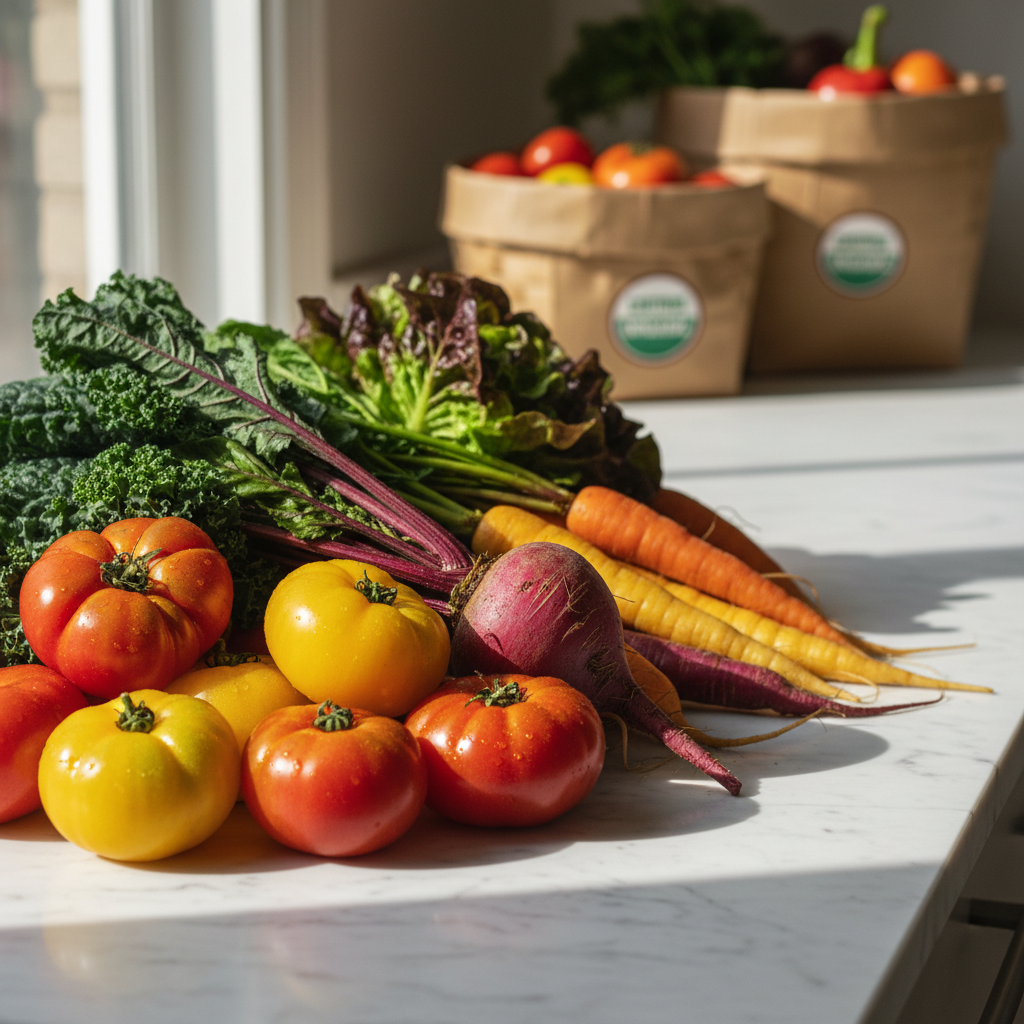
Ensuring Safety with Organic Foods
Businesses should treat organic foods with the same level of care as non-organic foods by:
- Washing fruits and vegetables under running water.
- Cooking foods to the recommended temperatures.
- Following good agricultural and manufacturing practices.
Myth 4: Freezing Kills All Harmful Bacteria
Freezing is a useful method for preserving food, but it does not kill all bacteria. Some pathogens can survive freezing temperatures and become active again when the food is thawed. It's essential to cook thawed foods to the appropriate temperatures to ensure any surviving bacteria are destroyed.
Proper Thawing Techniques
To minimize risks, businesses should:
- Thaw foods in the refrigerator, cold water, or microwave, but never at room temperature.
- Cook thawed foods promptly.
- Never refreeze thawed foods without cooking them first.

Conclusion
Debunking food safety myths is vital for protecting consumers and maintaining a business's reputation. By understanding and implementing proper food safety measures, businesses can prevent foodborne illnesses and ensure the well-being of their customers. Stay informed and prioritize food safety in every aspect of your operations.